

OEM Garment RFID Labels: Streamlining Apparel Production and Inventory Management
2026-05-20
Keeping up with the demands of modern apparel manufacturing often feels like chasing a moving target. OEM garment RFID labels from OSRFID cut through the chaos by turning every piece of clothing into a data-rich asset. Whether it’s tracking work-in-progress or managing finished goods, these tags unlock a level of visibility that traditional methods simply can’t match—and the impact on your bottom line might surprise you.
The Role of RFID in Modern Garment Manufacturing
RFID has quietly reshaped the way garment factories handle inventory, moving far beyond simple barcode scanning. Each roll of fabric, each cut piece, and even each sewing station can be tagged, letting managers see material flow in real time. This means less time spent on manual counts and fewer production delays due to missing components. The granular visibility also helps in accurate demand forecasting, as historical movement data reveals patterns that were previously hidden in paperwork.
On the production floor, RFID enables a level of work-in-progress tracking that was once unthinkable. As bundles of garments move from cutting to stitching to finishing, their tags are automatically read, updating the central system. Supervisors can instantly spot bottlenecks—say a particular sewing line is falling behind—and redistribute tasks. This dynamic balancing keeps the entire factory humming, reducing idle time and ensuring that order deadlines are met more consistently.
Quality control benefits just as much, because RFID allows each item to carry its own digital history. Inspectors can trace a defect back to the exact machine operator or fabric lot, turning a recall into a targeted correction rather than a factory-wide panic. Manufacturers who adopt this technology often find they can offer clients unprecedented transparency, building trust and opening doors to higher-value contracts that demand stringent traceability.
How OEM Labels Enhance Supply Chain Visibility
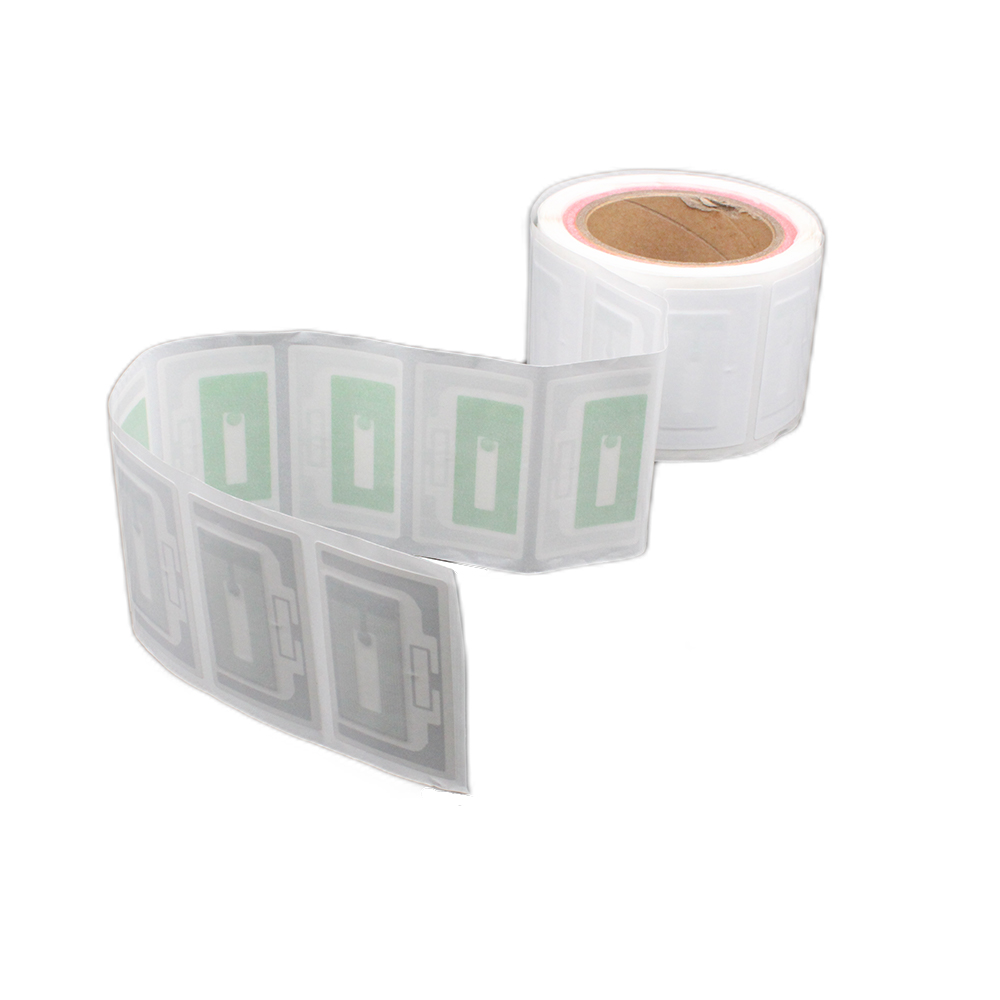
In the intricate dance of modern supply chains, OEM labels act as the silent narrators of a product's journey. Each label, whether a simple barcode or an advanced RFID tag, carries a unique digital fingerprint that allows stakeholders to track movements from the factory floor to the end user. This granular traceability transforms raw logistics data into actionable insights, enabling companies to pinpoint bottlenecks, verify authenticity, and respond to disruptions before they cascade. Unlike generic identifiers, OEM-coded labels are embedded with manufacturer-specific details—batch numbers, production dates, and compliance certifications—that create a transparent, auditable trail, turning visibility from a buzzword into a tangible operational advantage.
Beyond mere tracking, these labels bridge the gap between physical goods and digital ecosystems. When a retailer scans an OEM label, they aren't just logging inventory; they're tapping into a shared reservoir of real-time information accessible to suppliers, distributors, and even end customers. This interconnected clarity reduces the bullwhip effect, where minor demand fluctuations get amplified upstream, by aligning forecasts with actual consumption patterns. Moreover, in industries where provenance is critical—such as pharmaceuticals or organic foods—OEM labels provide irrefutable proof of a product's lineage, safeguarding brand integrity and consumer trust without adding layers of bureaucratic overhead.
The true power of OEM labels lies in their ability to turn passive tracking into proactive management. By integrating with IoT sensors, these labels can monitor environmental conditions like temperature or humidity during transit, instantly flagging excursions that might compromise quality. This shifts the paradigm from reactive damage control to preventive stewardship, reducing waste and ensuring that what arrives at the final destination matches the original specification. In an era where supply chain resilience defines market leaders, OEM labels are no longer optional stickers—they are strategic assets that illuminate the path from source to sale.
Reducing Errors with Automated Data Capture
Manual data entry is notoriously prone to mistakes—typos, transpositions, and misinterpretations creep in no matter how careful the operator. Automated data capture sidesteps these pitfalls by pulling information directly from sources like barcodes, sensors, or digital forms, eliminating keystroke errors entirely. The result is a dramatic drop in inaccuracies that can otherwise cascade through inventory counts, billing, and reporting.
Beyond pure typing errors, automation also reduces cognitive fatigue and attention-related slip-ups. When staff no longer have to transfer data between systems by hand, they can focus on validation and exception handling rather than tedious transcription. This shift not only lifts overall data quality but also frees teams to address the root causes of process inefficiencies, turning error reduction into a continuous improvement cycle.
Real-time validation is another layer of defense built into many automated capture tools. As data is ingested, rules can instantly flag anomalies—like a missing field, an impossible value, or a duplicate record—before they pollute downstream databases. Catching issues at the point of entry stops small errors from ballooning into costly corrections later, making the entire operational flow more resilient.
Real-Time Stock Tracking from Factory to Retail
Imagine a supply chain where every item’s journey is visible the moment it leaves the production line. Real-time stock tracking bridges the gap between factory floors and retail shelves, using a network of sensors and cloud-based platforms to capture data at each handoff. This immediate flow of information eliminates guesswork, allowing teams to spot delays or shortages as they happen rather than after the fact.
Instead of relying on periodic inventory counts that quickly become outdated, businesses can now monitor stock levels dynamically. Smart tags and IoT devices transmit location and condition updates, feeding into dashboards that reflect actual movement across warehouses and stores. The result is a living map of inventory that adapts to demand surges, reroutes shipments proactively, and prevents the domino effect of stockouts or overstock.
What sets this apart is how it democratizes data across partners. A retailer doesn’t need to call the factory for an update—they see the same real-time feed as the logistics provider. This transparency reshapes collaboration, turning rigid replenishment cycles into fluid, responsive networks. It’s not just about tracking items; it’s about building a supply chain that breathes with the pace of sales floor activity.
Customization Options for Brand-Specific Needs
Every brand carries its own voice, visual identity, and customer expectations. Off-the-shelf solutions rarely capture these nuances, which is why true customization goes far beyond swapping logos. We work directly with your design and marketing teams to translate your brand guidelines into functional elements—from bespoke color palettes and typography to unique interactive components that feel native to your digital presence. The result is a seamless extension of your brand, not a generic template adaption. Whether you need to embed proprietary checkout flows or craft a distinct editorial layout, our approach ensures consistency across every touchpoint.
Flexibility sits at the core of our customization engine. Imagine being able to fine-tune messaging hierarchies, adjust component behavior based on user segments, or introduce localized variations without duplicating code. We build adaptable systems that let your content and product teams experiment with layouts and narratives while preserving the integrity of your design system. This empowers you to respond to market shifts quickly, run targeted campaigns, and deliver personalized experiences that feel genuinely on-brand for each audience subset.
Our team understands that brand-specific needs often extend into backend integrations and third-party services. That's why we expose developer-friendly APIs and modular architecture, allowing you to plug in CRM data, analytics suites, or bespoke recommendation engines without disrupting the user-facing polish. We collaborate through iterative design reviews and technical workshops to align our output with your long-term brand roadmap. The outcome is a platform that evolves with your strategy, offering both immediate differentiation and the structural flexibility to accommodate future ambitions.
Future-Proofing Apparel Operations with Smart Labels
Smart labels are quietly reshaping how apparel brands manage everything from inventory tracking to customer engagement. By embedding RFID or NFC technology into hangtags and care labels, each garment becomes uniquely identifiable and traceable — not just in the warehouse, but throughout its entire lifecycle. This level of visibility slashes the time spent on stock counts, drastically reduces out-of-stock scenarios, and turns the fitting room into a data-rich environment where associates can instantly pull up sizing, color options, or styling suggestions without leaving the customer’s side.
What sets truly future-ready operations apart is the ability to connect that physical item to dynamic digital content. A single tap of a phone against a smart label can verify authenticity, launch a registration page for extended warranties, or surface personalized recommendations based on past purchases. The same infrastructure also streamlines returns and resale — scanning an embedded tag can instantly confirm ownership, initiate a refund, or list the item on a secondary market, making circular business models operationally feasible at scale.
Beyond efficiency, smart labels open up new avenues for safeguarding brand integrity. Counterfeit detection becomes passive yet powerful when every genuine product carries a cryptographic identifier that can be validated at any point in the supply chain. As sustainability demands grow, these labels also let brands share a product’s origin story, material certifications, or care instructions in a way that’s constantly updatable — turning a simple garment into a portal for transparency that evolves long after the point of sale.
FAQ
OEM garment RFID labels are custom-designed radio-frequency identification tags manufactured specifically for apparel brands and their supply chain needs. Unlike generic off-the-shelf tags, they are often embedded directly into care labels, woven tags, or hang tags to match the garment’s look and feel while withstanding production processes like washing, dyeing, and pressing. They can carry unique serial numbers and be encoded with brand-specific data, making them integral to a unified tracking system from factory floor to retail shelf.
By attaching RFID labels to bundles, pieces, or hangers early in the cutting and sewing stages, manufacturers gain real-time visibility into each order’s status. Fixed readers at key checkpoints automatically log when a garment moves from one operation to the next, eliminating manual tallying. This data highlights bottlenecks, balances line workloads, and enables precise piece-rate payroll calculation without disrupting the workflow.
Yes, OEM RFID labels are engineered for durability. They use high-temperature resistant chips and flexible antennas sealed in materials that survive industrial laundering, stone-washing, enzyme treatments, and hot pressing. Specialized versions are available for denim and heavy-duty workwear where repeated washes are part of the finishing process, ensuring the tag remains functional throughout production and beyond.
They tackle the perennial issues of miscounts, misplacements, and stock-outs. With RFID, a brand can scan an entire carton or pallet in seconds and know exactly which styles, sizes, and colors are inside without opening boxes. Cycle counts become fast and frequent, reducing the gap between physical stock and system records. This accuracy prevents over-ordering and helps allocate replenishments to stores where demand is actually happening.
Because each label carries a unique identifier, pick-and-pack errors drop dramatically. Warehouse workers use RFID readers to verify that the right items are in the right box before it ships, and automated tunnels can check entire cartons at the dock door. This catches mistakes before they leave the warehouse, cutting chargebacks from retailers and saving the cost of returns processing.
Integration complexity depends on the current setup, but OEM partners often provide middleware that bridges RFID data capture with existing ERP or MES platforms. Many contract manufacturers start with a pilot on one production line, using plug-and-play readers that don’t require major conveyor retrofits. The key is working with a vendor who understands both apparel manufacturing workflows and RFID encoding, so the transition is incremental rather than disruptive.
Volume pricing is a major factor: brands ordering millions of labels get significantly lower per-tag costs. More importantly, OEM labels can be engineered with just the necessary chip memory and antenna size for the intended use case—avoiding over-specified, more expensive generic inlays. Custom form factors can also reduce tag attachment labor, as the label becomes part of the existing trim application process rather than an extra step on the floor.
Conclusion
Integrating OEM garment RFID labels into apparel production fundamentally transforms how brands manage their workflow from the initial cut to the final sale. These intelligent tags act as digital passports for every item, embedding a unique identity that travels with the garment through each stage of manufacturing. This technology eliminates the need for manual barcode scanning, significantly reducing human error and accelerating throughput on busy factory floors. As a result, production managers gain a real-time, accurate view of work-in-progress, enabling them to spot bottlenecks, reallocate resources instantly, and meet tight delivery schedules with confidence. The shift from reactive tracking to proactive oversight is a game changer, turning complex assembly lines into transparent, controllable environments.
Beyond the factory, the benefits cascade into inventory management and supply chain visibility, creating a seamless thread from origin to retail. Customized RFID labels, tailored to specific brand aesthetics and data requirements, can be encoded with rich information—style, size, color, destination—without compromising the garment's design. This granular data feeds into centralized systems, allowing stakeholders to monitor stock levels across multiple locations in real time. Automated data capture at receiving docks and distribution centers virtually erases discrepancies, while instant cycle counts replace laborious physical audits. For retailers, this means perfectly stocked shelves and the agility to respond to demand shifts on the fly. Ultimately, adopting smart OEM RFID labels isn't just an operational upgrade; it’s a strategic move toward a more resilient, responsive, and future-proof apparel business that thrives in an era of speed and personalization.
Contact Us
Contact Person: Esme Mo
Email: [email protected]
Tel/WhatsApp: 0086 191 2931 7837
Website: https://www.osrfidglobal.com/